Facebook
 X
 Pinterest
 Copy Link
A Palm Springs & Coachella Valley Real Estate Guide
MidCentury Modern (MCM) is an architectural and design movement that flourished from approximately 1945 to 1970. It emphasizes simplicity, functionality, clean lines, natural materials, and a seamless connection between indoor and outdoor living.
Palm Springs became one of the most celebrated destinations for this architectural style.
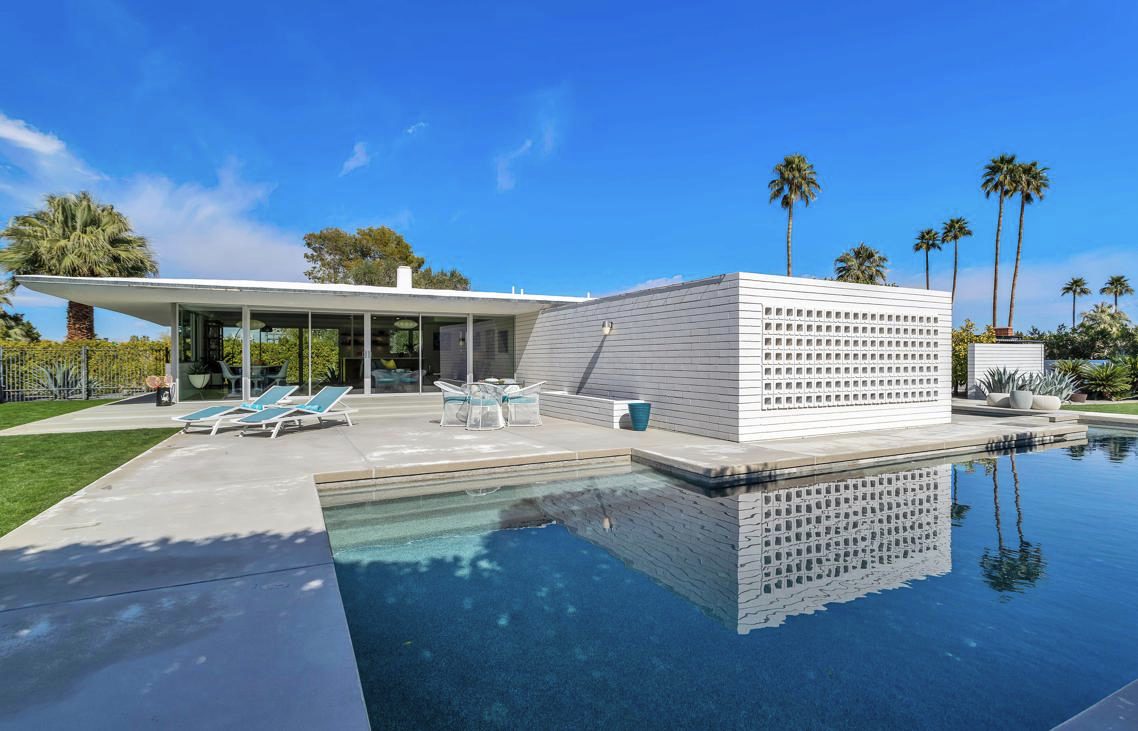
1. Seven defining architectural features
- Flat or butterfly roofs: Dramatic rooflines with minimal ornamentation.
- Floor-to-ceiling glass: Large windows and sliding doors that connect the home to the outdoors.
- Open floor plans: Flowing living, dining and entertaining spaces.
- Post-and-beam construction: Exposed structural elements allowing expansive glass walls.
- Indoor-outdoor living: Patios, pools, courtyards and mountain views become extensions of the home.
- Geometric shapes: Clean horizontal lines, angular roofs and decorative breeze blocks.
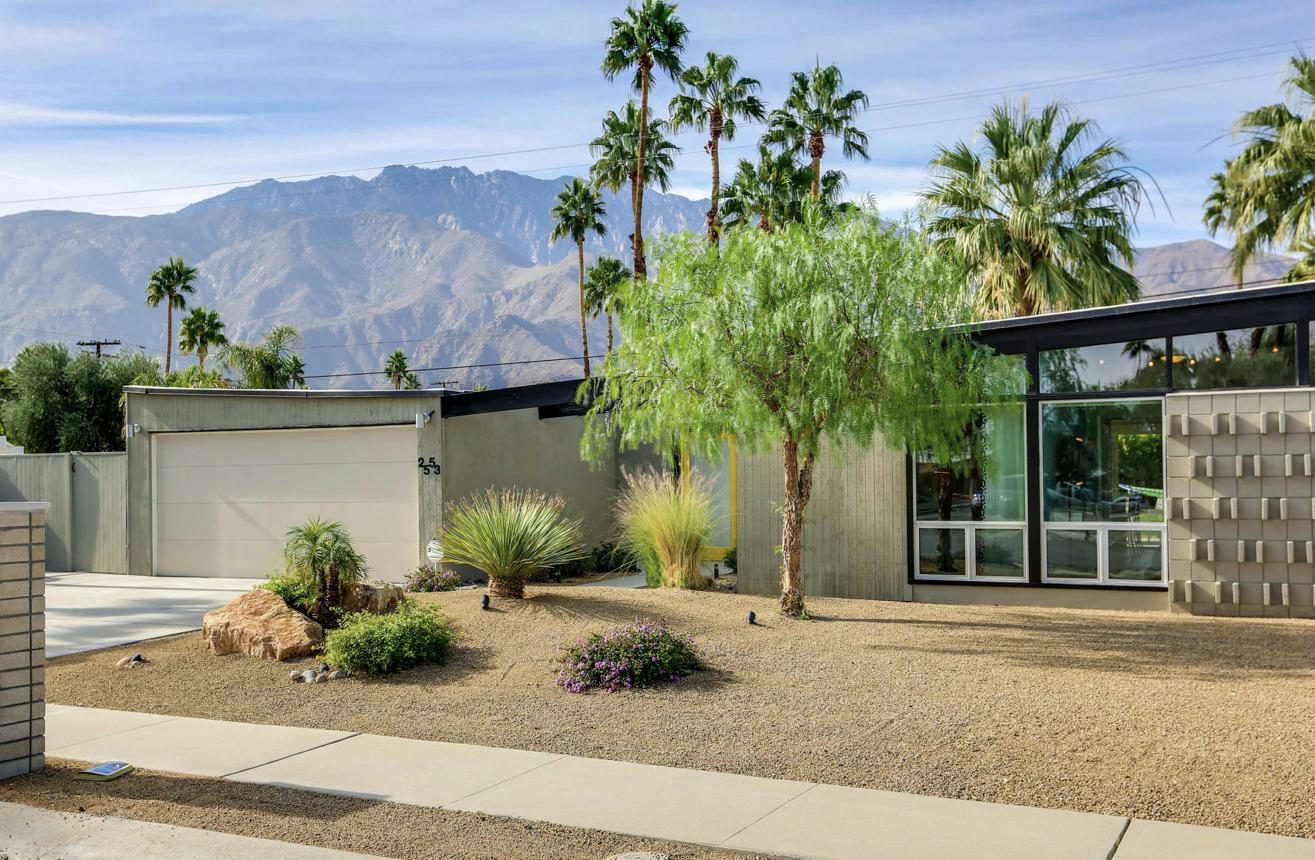
- Desert integration: Architecture designed around sunlight, shade, views and the natural landscape.
2. Interior design: What makes it Mid-Century Modern?
Furniture
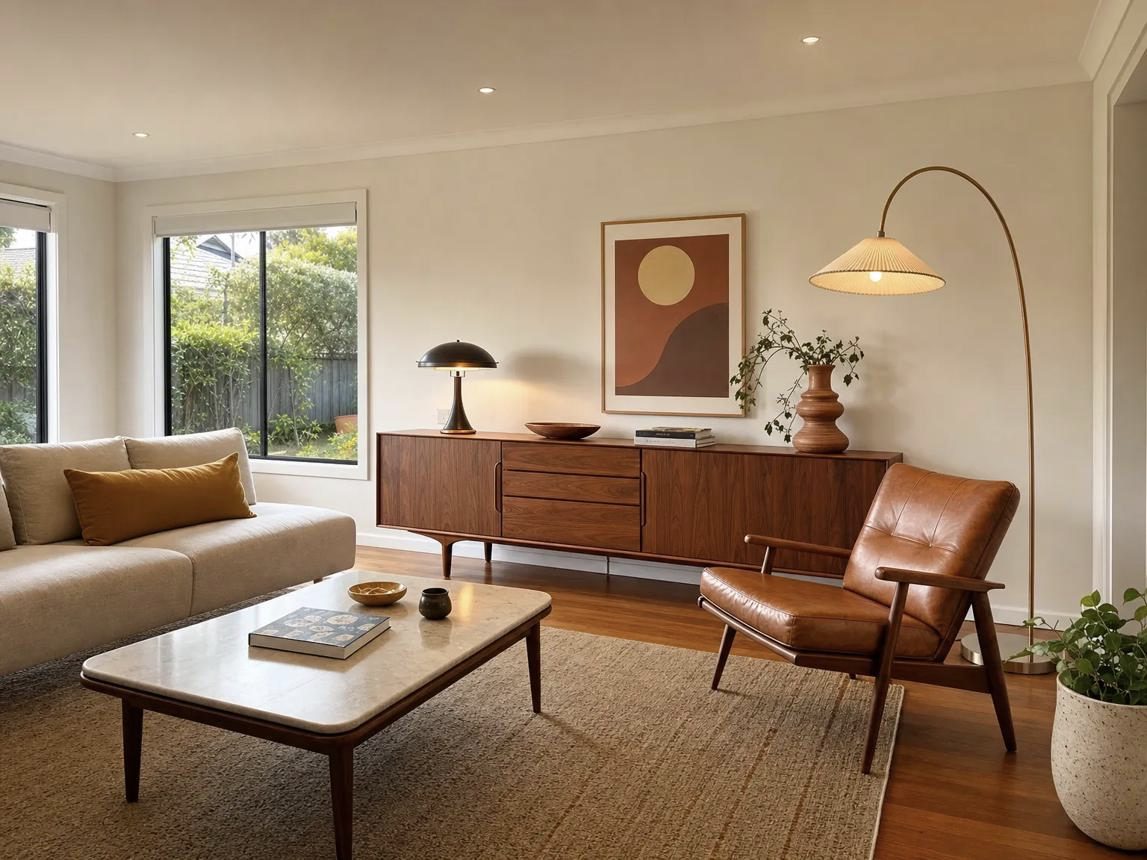
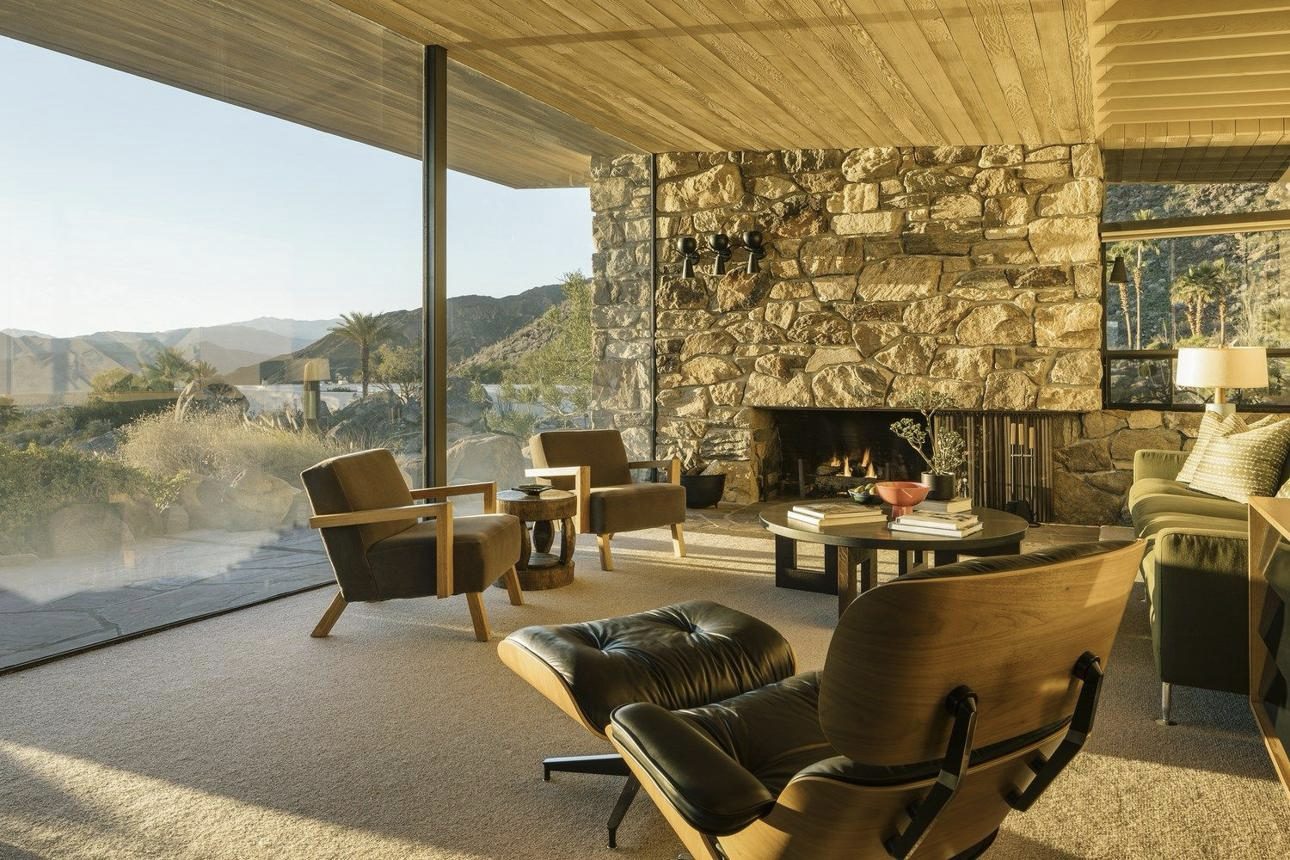
Low-profile sofas, tapered legs, walnut cabinetry and iconic sculptural chairs.
Materials & colors
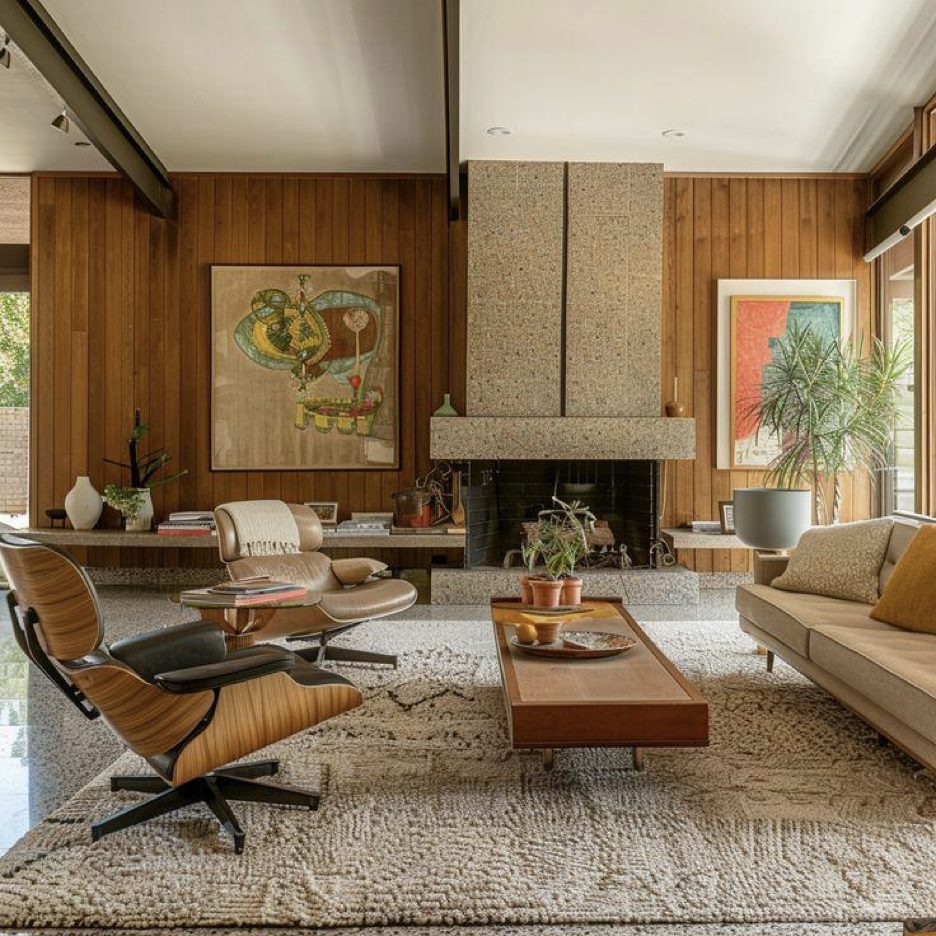
Walnut, teak, stone, terrazzo, brass, mustard yellow, burnt orange and olive green.
Lighting
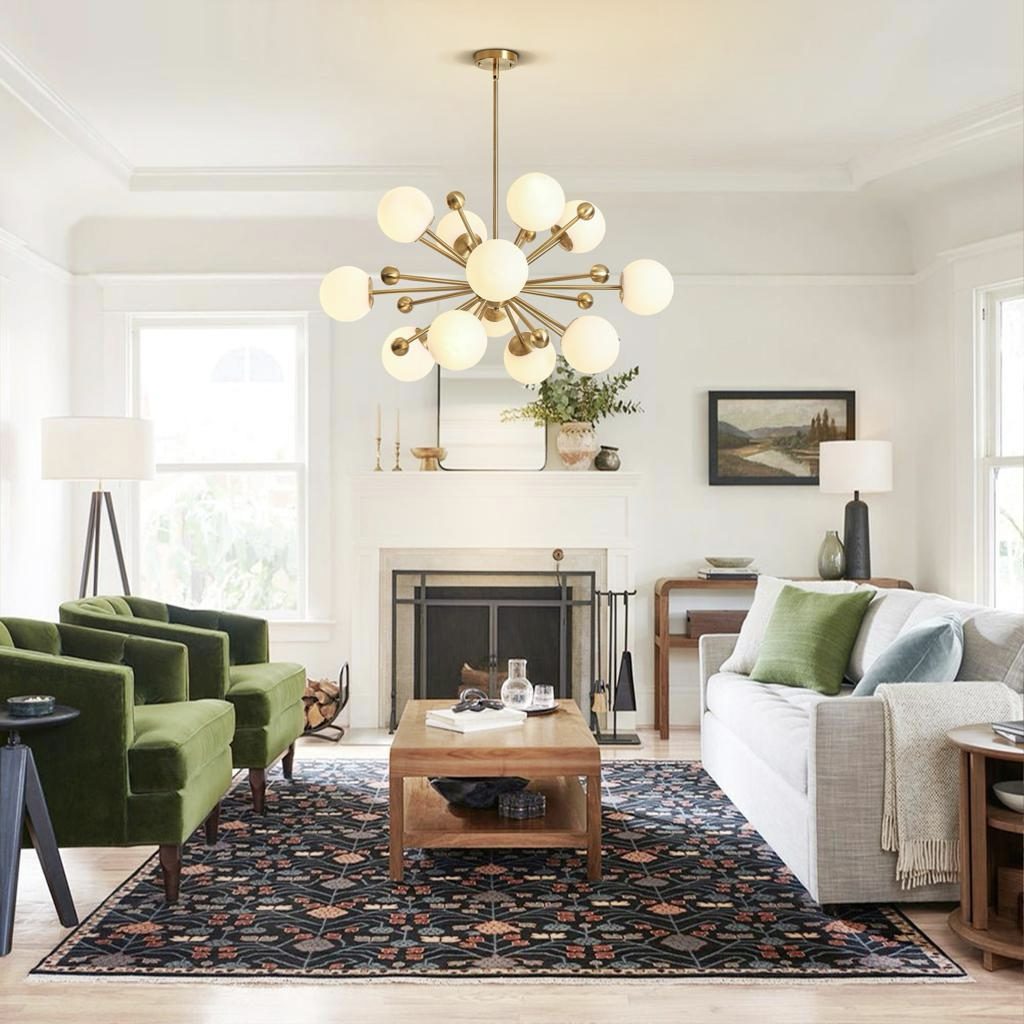
Sputnik chandeliers, globe pendants and statement lamps.
Outdoor design
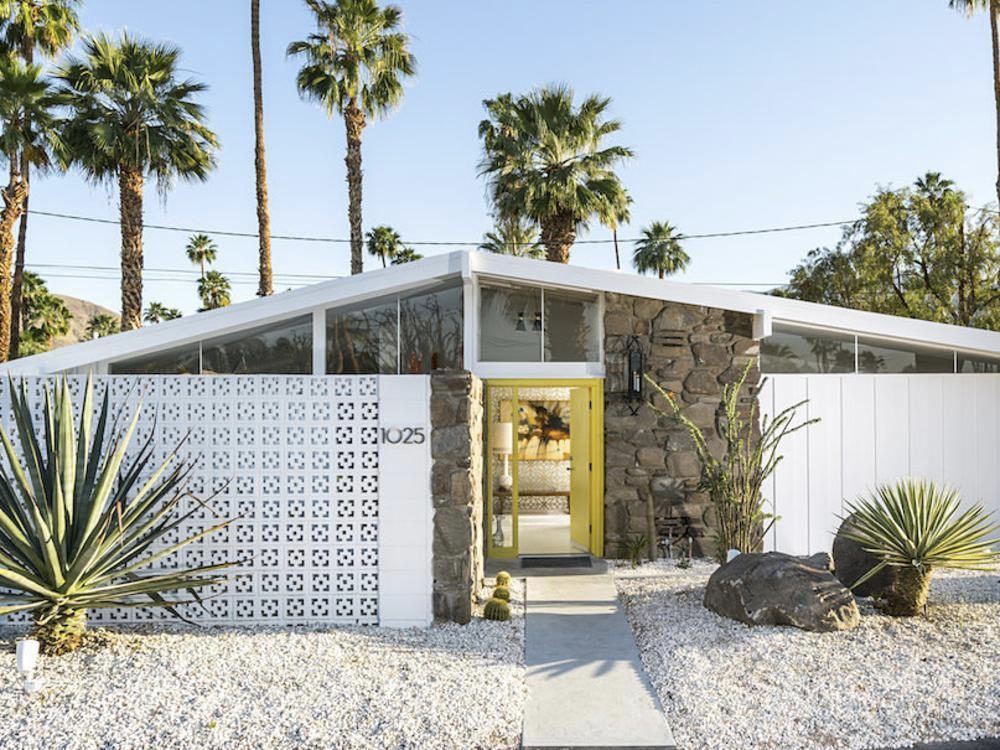
Kidney-shaped pools, breeze-block walls, colorful doors and desert landscaping.
3. Famous architects associated with Palm Springs
| Architect | Known for |
| Albert Frey | Desert Modernism, steel and glass, integration with nature |
| William Krisel | Butterfly roofs and accessible modern tract homes |
| Donald Wexler | Innovative steel-frame residential architecture |
| E. Stewart Williams | Elegant residential and commercial modernism |
| William F. Cody | Country clubs, resorts and sophisticated desert homes |
4. Mid-Century Modern vs. Desert Modernism
Mid-Century Modern is the broader architectural movement.
Desert Modernism is its adaptation to the desert climate, particularly around Palm Springs. It emphasizes deep roof overhangs, shaded glass, mountain views, natural ventilation and the relationship between the house and its desert surroundings.
5. What today’s 50–60-year-old buyer may love
For buyers drawn to nostalgia, Mid-Century Modern homes offer a combination of childhood memories, architectural character and a relaxed California lifestyle.
The key is vintage character with modern convenience:
- Preserve original architectural details when practical.
- Modernize kitchens, bathrooms, insulation and mechanical systems.
- Highlight entertaining spaces, pools and outdoor living.
- Use period-inspired furnishings without making the house feel like a museum.
6. How to sell the lifestyle
For a real estate presentation, don’t just describe a home as Mid-Century Modern. Explain what makes living there special.
Mid-Century Modern: Where Nostalgia Meets Today’s Lifestyle
Remember when homes were designed for entertaining, conversations around the fireplace, afternoons by the pool, and bringing the outdoors inside?
Mid-Century Modern architecture captures that feeling with clean lines, walls of glass, open living spaces and timeless design.
Here in the Coachella Valley, we have some of the finest examples of Desert Modernism in the country.
For today’s buyers, it’s not just about purchasing a home. It’s about embracing a lifestyle that never went out of style.
Your Home, Your Journey, Our Expertise.
Jenell VanDenBos & Associates
Real estate tip: Not every home built in the 1950s or 1960s is Mid-Century Modern. The architectural features—not simply the year built—determine whether a home truly represents the style.